


Authored by:

Lisa King
Director of STEM & Community Engagement, UK

Science, technology, engineering and mathematics (STEM) equip young people with the skills to tackle the challenges of tomorrow. As science becomes increasingly central to creating healthier, more sustainable futures, fostering a diverse pipeline of future scientists, innovators and entrepreneurs is essential to driving progress.
At AstraZeneca, we know the career doors that quality STEM education can open. But we also recognise that many students, even those who enjoy science, don’t always feel these are subjects they can pursue. This perception is shaped by a number of factors, including persistent stereotypes, a lack of relatable role models, limited access to engaging STEM experiences, and low visibility of career pathways.
These barriers are more pronounced for students from disadvantaged backgrounds and for girls. In the UK, the chances of progressing to Level 3 STEM after secondary school are 44% lower for disadvantaged pupils compared to their more affluent peers, and 42% lower for girls compared to boys.¹ These gaps in representation often start early and widen throughout the education system.
Breaking down misconceptions in STEM
At AstraZeneca, we’re committed to improving diversity in STEM and showing that science is for everyone – and one of the most powerful places to start is within our local communities.
Over the past three years, I’ve been immensely proud to lead our STEM and community outreach across the UK, from national partnerships to local initiatives, all designed to ensure that science feels accessible and inclusive.
Our UK STEM programme is multi-faceted, engaging communities both locally and nationwide. It includes interactive sessions at our STEM Inspiration Lab in Cambridge, hands-on activities in schools delivered by our AstraZeneca STEM Ambassadors, and collaborations with outreach organisations that extend access to high-quality STEM education.
One such partnership is our Active Science programme, which brings STEM to life through the power of sport.
Showing what science can do through sport
Now in its eighth year, our Active Science Programme, delivered in partnership with football club community organisations in Cambridge, Macclesfield and Everton, uses sport to introduce students aged 9–11 to core scientific concepts through hands-on learning. Whether exploring heart rate monitoring after exercise or learning about forces with resistance parachutes, the sessions make science memorable and relevant.
Supported by AstraZeneca STEM volunteers and delivered locally by football club community organisations, the programme also gives students a chance to meet real scientists and football players and glimpse what a career in healthcare or life sciences might look like.
In 2023–2024, over 1,400 students from 25+ schools took part in 150 sessions, and the feedback speaks for itself.
 Sport offers a unique way to connect young people with STEM and inspire those who may not think science is for them. By bringing these experiences to local communities, we are making STEM opportunities accessible and showing children that their passions can lead to exciting careers.
Mick King
Senior Programme Manager,
Education and Pathways at Everton in the Community
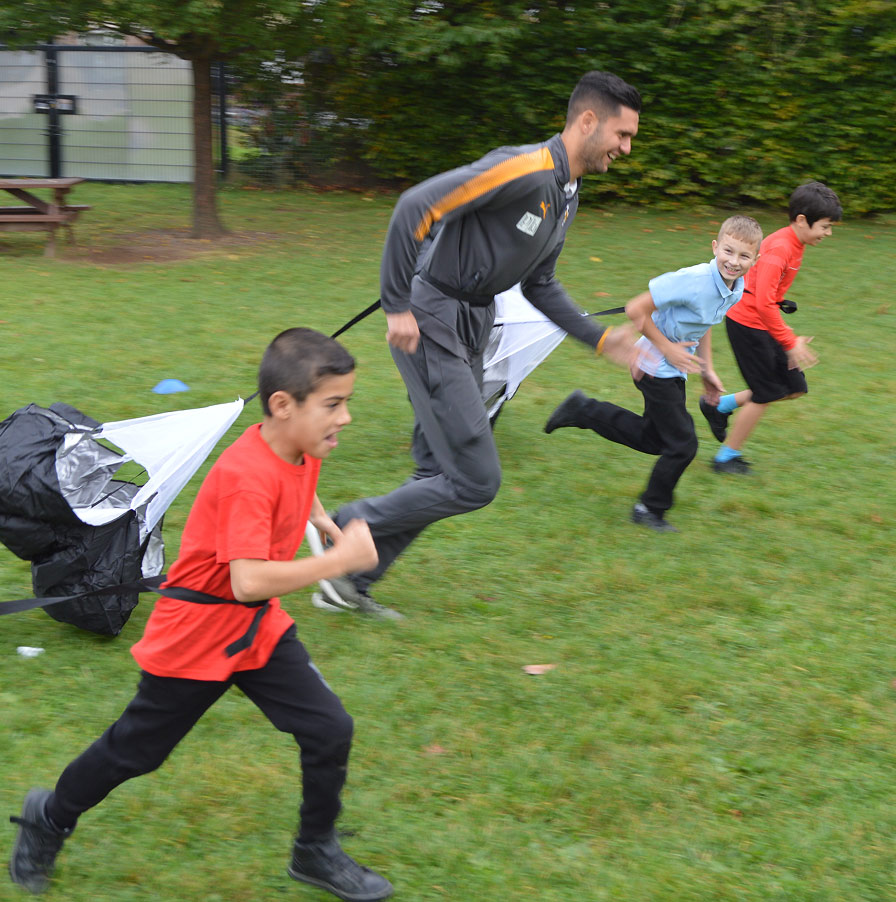
A highlight in Cambridge is Active Science Day – an end-of-term celebration hosted at the stadium, with science activities, stadium tours and conversations with players and volunteers that help break down stereotypes and spark new ambition.

Our aim is to use sport to make a positive impact on the community, and our longstanding partnership with AstraZeneca supports us in achieving this goal through working with young people in local schools. Active Science is about breaking down barriers and showing students that STEM is for everyone. It’s inspiring to see how the programme has transformed perceptions of science and opened up new opportunities for the next generation of scientists.
Tim Walker
Head of Programmes at Cambridge United Foundation
Partnering to inspire local communities
What brings incredible value to this programme are the partnerships that connect AstraZeneca to the local communities that we serve across the UK. The Cambridge United Foundation, Macclesfield Community Sports Trust and Everton in the Community have helped us connect with 6,500 students through our Active Science Programme thus far.
The Active Science project in partnership with AstraZeneca has been one of our flagship programmes over the last three and a half years. The programme has been an amazing success, with over 1,500 students across Primary Schools in Cheshire East taking part – we have even created a secondary school extended session. We are extremely excited to be part of the future development of the programme and expand our provision further, with the continued help of such a passionate, dedicated team at AstraZeneca.
Lee Folkard
Head of Community Sports Trust at Macclesfield Football Club
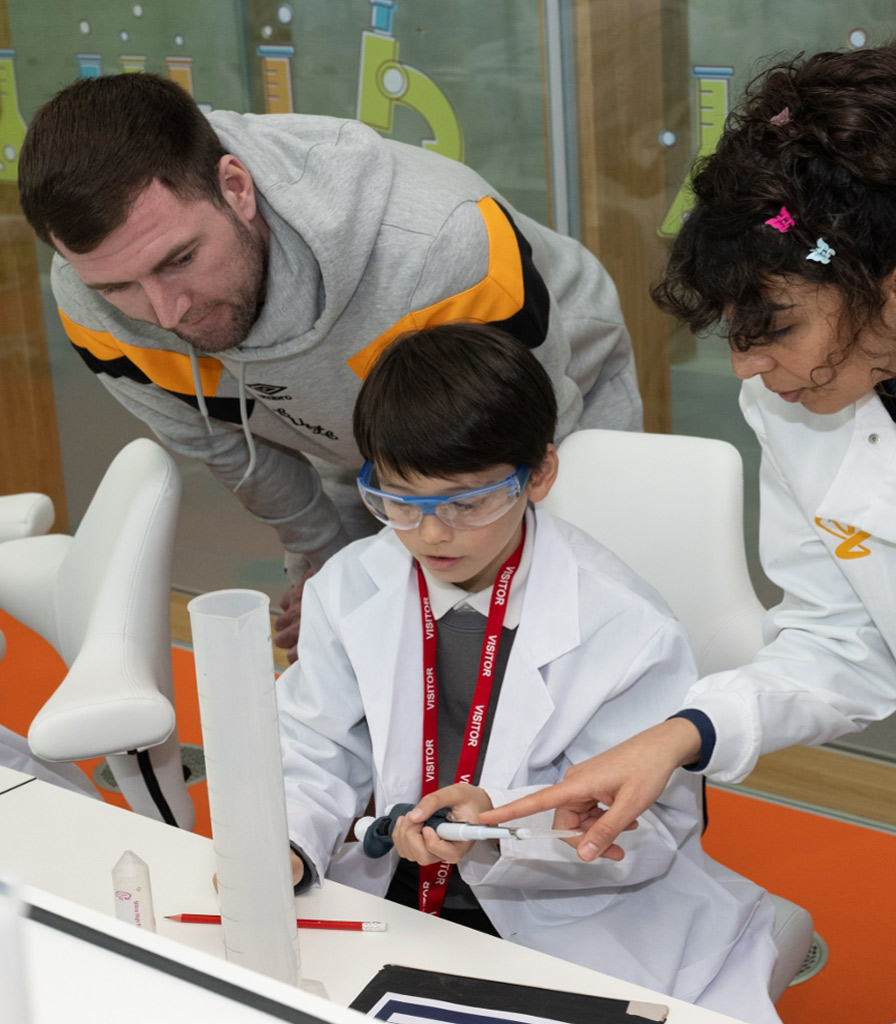
I believe programmes like Active Science are vital to encouraging more young people to consider pursuing careers in science and I want to say a huge thank you to our AstraZeneca STEM volunteers and the amazing outreach teams at the clubs who deliver the programmes throughout the academic year.
By making science feel more inclusive and providing equal opportunities for students, science-led organisations and charities can work together to create a more diverse future talent pool in our industry to lead the breakthroughs of the future. Together we can help turn dreams into possibilities and opportunities, showing young people that they can make a difference in the world of science.
Discover more about our STEM partnerships in the UK that are nurturing the next generation of talent

